
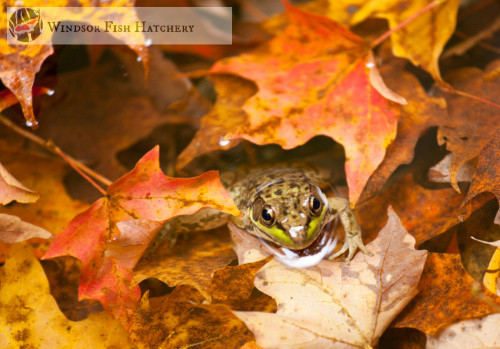
Cooler weather can cause serious issues in koi and goldfish ponds, including reduced immunity, water quality fluctuations, increased disease risk, and waste build-up—making proper seasonal care essential.
Slowed Fish Metabolism & Feeding Issues
Koi and goldfish are cold-blooded, so their metabolism slows as water temperatures fall. This can lead to:
- Reduced appetite or complete refusal to eat
- Uneaten food is sinking and decomposing
- Digestive problems if high-protein food is still being fed
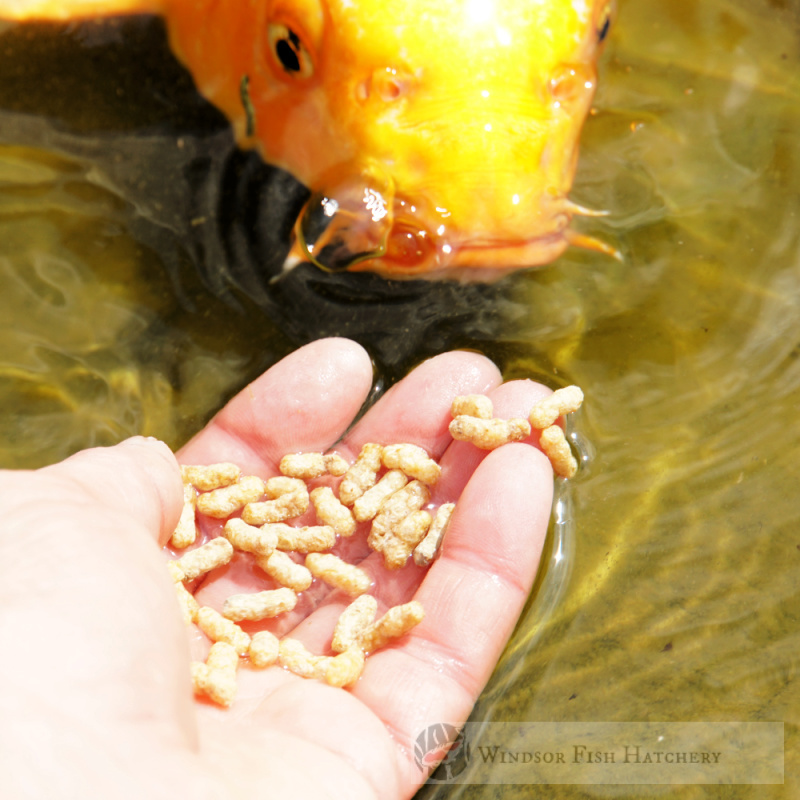
? Switch, start adding our floating wheatgerm sticks to their food at every feed. Till your feeding only wheat germ.
Increased Disease Risk
Cooler water can suppress the immune system of fish, making them more vulnerable to:
- Bacterial infections (e.g. ulcers, fin rot)
- Parasites become more active while fish immunity is low
- Latent diseases emerging under stress
? Fish may look fine in summer but develop issues in autumn/winter.
Organic Waste Build-Up
Autumn often brings falling leaves and debris:
- Decaying matter increases ammonia and nitrites
- Sludge builds up at the bottom of the pond
- Oxygen demand increases as decomposition occurs
? Regular netting, vacuuming, and filter maintenance become even more important.
Water Quality Fluctuations
Beneficial bacteria in your filter slow down in cooler temperatures:
- Reduced biological filtration efficiency
- Ammonia and nitrite spikes can occur
- pH may become unstable
? Continue monitoring water parameters even if fish are less active.
Reduced Oxygen Levels
Colder water can hold oxygen well, but:
- Increased organic decay can consume oxygen
- Pumps and waterfalls may be run less or turned off
- Ice (in colder regions) can limit gas exchange
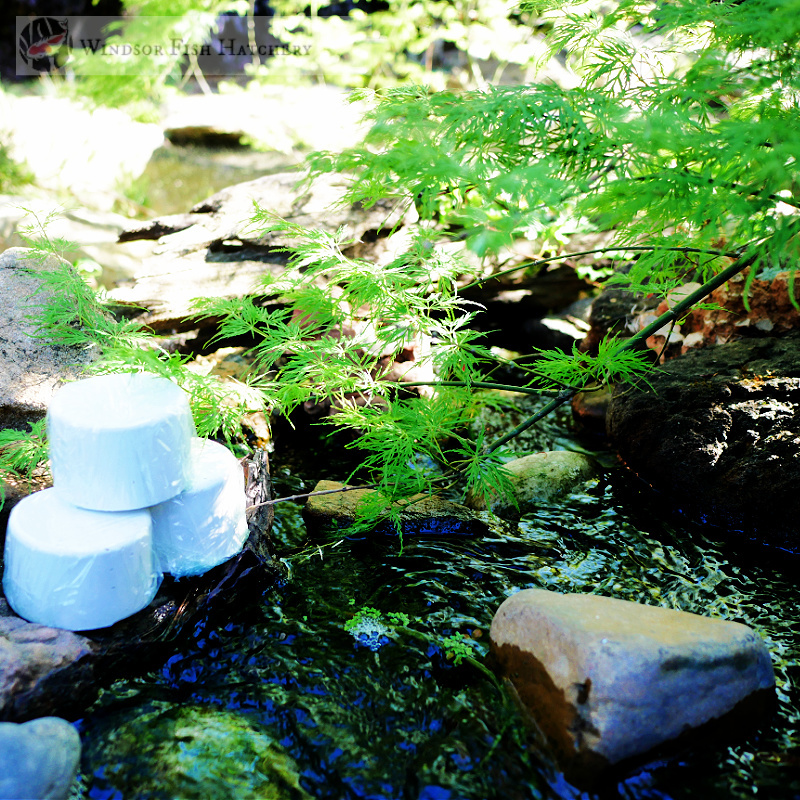
? Ensure adequate aeration is maintained year-round. Adding a pond block in Spring, Summer, and Autumn will help with the sludge and ensure the water stays balanced throughout the colder months
Stress from Temperature Swings
Rapid changes (warm days, cold nights) can stress fish:
- Weakens immune response
Can trigger disease outbreaks, particularly risky in shallow ponds
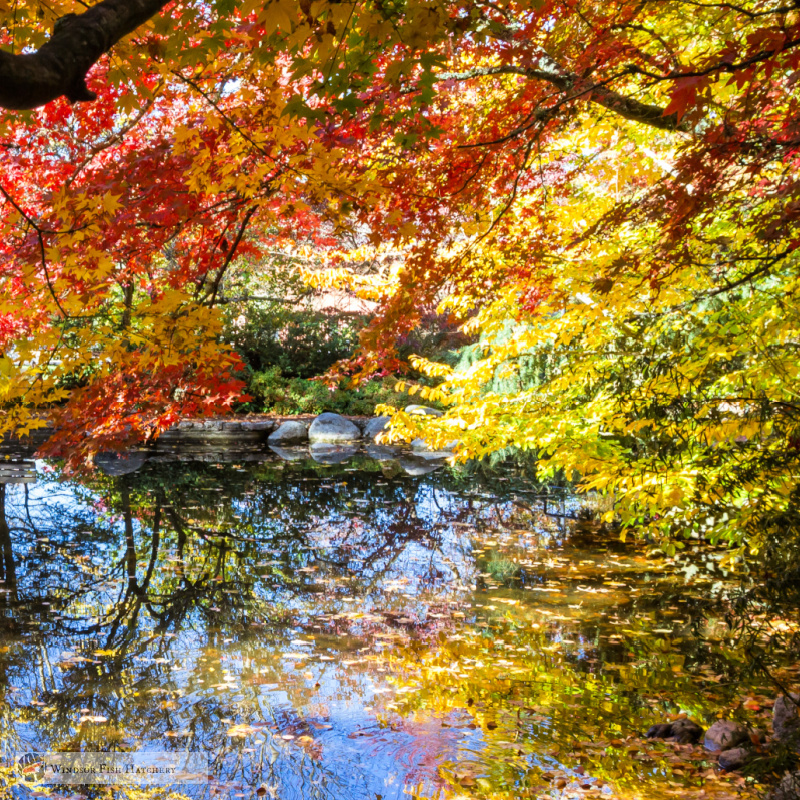
Plant Die-Off
Aquatic plants begin to die back:
- Adds to organic waste load
- Removes a natural filtration source
Hidden Problems Becoming Visible.
Cooler months often “reveal” underlying issues:
- Fish that were coping in summer may decline
- Chronic infections may suddenly become obvious
- Losses often occur gradually rather than all at once
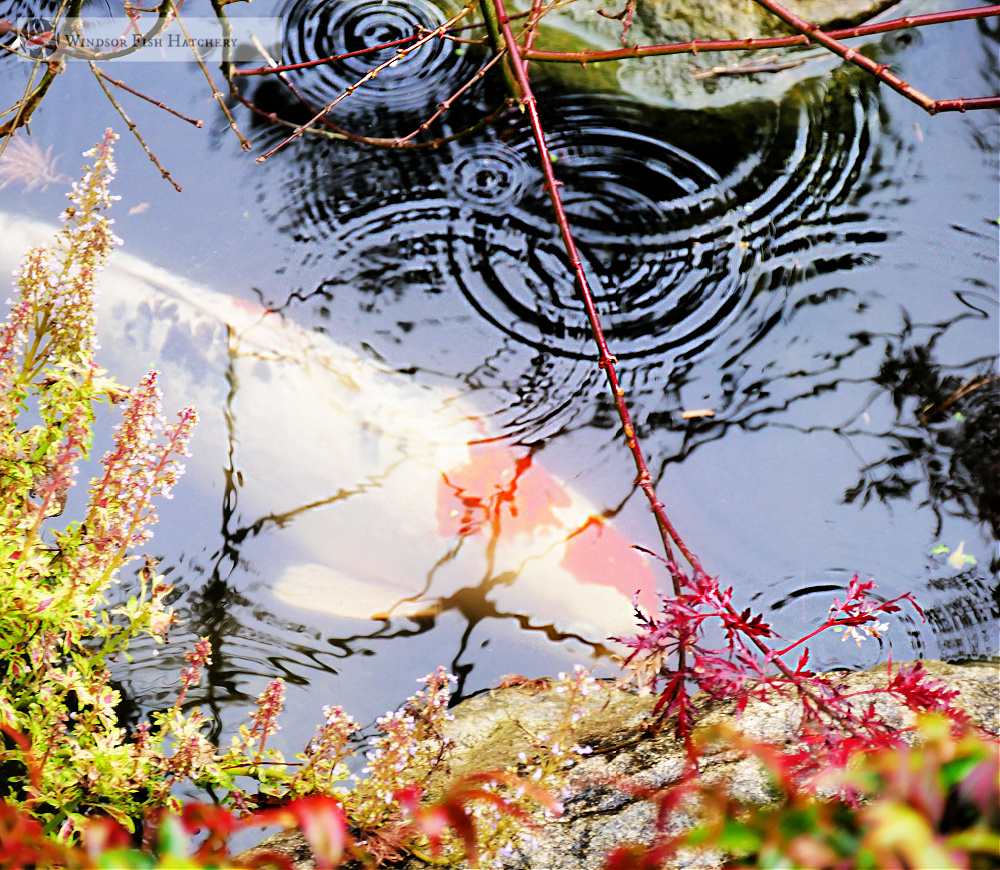
Bottom Line: Cooler weather doesn't just "slow things down" - it shifts the balance of your pond ecosystem. The biggest risks come from reduced filtration + increased stress on fish + accumulating waste.